Allegiant Exteriors installs, restores, and repairs all types of roofing systems. Your choice of roofing system is a critical decision that impacts the structural integrity, aesthetic appeal, and functionality of your building.
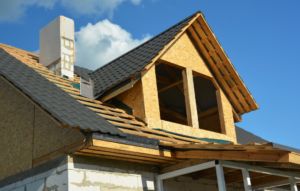
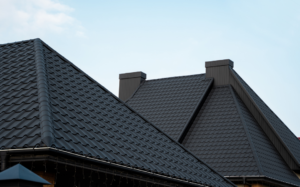
Hip roofs have been used in various architectural styles worldwide for centuries, prized for their ability to withstand harsh weather conditions. They were trendy in the 18th century Georgian style homes.
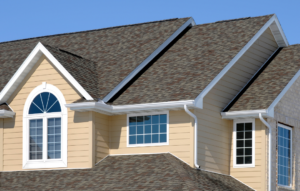
Gable roofs are one of the oldest and most common roof styles, dating back to ancient Greek and Roman architecture. Their simplicity and efficiency have made them a staple in residential construction across various cultures.

Flat roofs have been used in arid climates for millennia, with evidence of their use in ancient Egyptian and Persian architecture. They gained popularity in modern architecture during the early 20th century for their sleek, minimalist design.
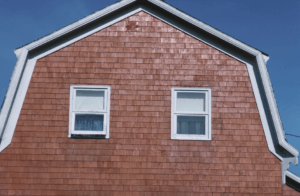
Gambrel roofs have a rich history in colonial America, often seen on Dutch Colonial and Georgian-style homes. Their distinctive shape allowed for more efficient use of space in barns and houses.
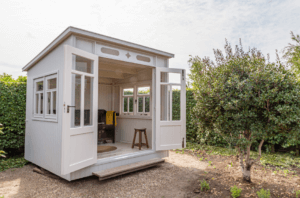
Shed roofs, also known as skillion roofs, have roots in industrial and agricultural buildings where simplicity and cost-efficiency were crucial. They have recently gained popularity in modern residential architecture for their sleek appearance.

Dormer roofs have been used since the 16th century in European architecture, particularly in French Renaissance and Baroque styles. They were originally designed to provide light and ventilation to attic spaces.

Jerkinhead roofs, also known as clipped gables, have been a popular choice in Tudor and Craftsman-style homes since the late medieval period. They offer the aesthetic benefits of a gable roof with improved wind resistance.

The Dutch gable roof originated in the Netherlands during the 16th century, combining elements of both hip and gable roofs to maximize attic space and add architectural interest to buildings.

Hip and valley roofs have been used in various architectural styles throughout history, including Victorian and Edwardian, to create complex and visually appealing rooflines that enhance a building’s overall character.
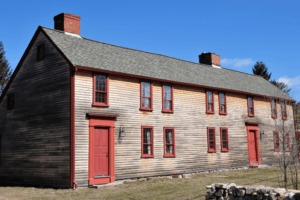
Saltbox roofs originated in colonial New England, designed to add extra living space and withstand harsh weather. Their unique asymmetrical shape became a hallmark of early American architecture.

Monitor roofs were traditionally used in barns and industrial buildings in the 19th century to improve ventilation and lighting. They have since been adapted for residential use, adding a distinctive architectural feature.
Whether you opt for the wind-resistant Hip roof, the classic and functional Gable roof, or the modern and versatile Flat roof, each type comes with its own set of benefits and considerations. Always consult with a roofing professional to determine the best fit for your building’s specific needs and conditions. Explore our detailed guides on each of these roofing styles for more in-depth information. Your ideal roof is just a click away!
Contact us with questions or schedule a free estimate today. We are happy to walk you through any insurance claim processes or assist with free inspections. Check our our reviews to learn more about us.