When it comes to choosing windows for home installation, the options can seem endless. Each window style offers unique benefits and potential drawbacks, making it essential to understand which type best fits your needs.
By reading this article, you will explore various window styles, highlighting their pros and cons to help you make an informed decision.

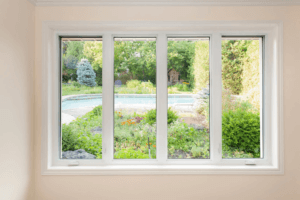


Choosing the right window style for your home depends on various factors, including your aesthetic preferences, ventilation needs, and energy efficiency goals. Each window style comes with its own set of advantages and potential drawbacks. By understanding these different window styles and their pros and cons, you can make an informed decision that best suits your home and lifestyle.
For expert advice and professional installation, trust Allegiant Exteriors. Our team of specialists is here to help you choose the perfect windows for your home. Schedule a free window inspection today and let us enhance your home’s beauty and functionality with the ideal window styles.
Home exteriors play a crucial role in protecting the structure from the elements while also enhancing its aesthetic appeal. Siding, in particular, serves as a protective barrier, shielding your home from wind, rain, and other environmental factors. But how do you know when it’s time to replace siding? Allegiant Exteriors, a leading roofing contractor known for its expertise in home exterior services, sheds light on key indicators that suggest it might be time for an upgrade.
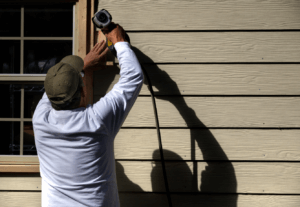
If you find yourself constantly repairing or maintaining your siding, it might be more cost-effective to replace it. Frequent issues such as cracks, warping, or rot indicate that the siding is no longer providing optimal protection.
An unexpected rise in energy bills can sometimes be traced back to inefficient siding. Good siding offers insulation, keeping your home warmer in the winter and cooler in the summer. If your energy costs are creeping up, it could be a sign that your siding is failing.
While siding is designed to withstand the elements, excessive fading and discoloration are signs that it’s losing its durability and aesthetic appeal. This not only impacts your home’s look but may also indicate a breakdown in the material’s integrity.
Water infiltration is a serious concern. If you notice mold, mildew, or signs of water damage inside your home, it might be due to failing siding. Replacing your siding can prevent further structural damage and improve your home’s health.
Sometimes, the decision to replace siding is driven by the desire to update your home’s exterior. New siding can dramatically improve curb appeal, increasing your home’s value and making it stand out in the neighborhood.
Determining the right time to replace siding involves considering various factors, including the age of your siding, the extent of damage, and your energy efficiency needs. Allegiant Exteriors offers comprehensive home exterior services, including siding replacement, to ensure your home remains beautiful and protected.
To understand more about your siding options and to determine if now is the time for an upgrade, schedule a free inspection with us. Our team of experts is ready to assess your needs and recommend the best solutions to keep your home in top condition.
The roofing of your building is your first line of defense against the elements. It safeguards your family and belongings from rain, snow, wind, and heat. Yet, like anything else in your home, it doesn’t last forever. Knowing when it’s time for a new roof is crucial to prevent potential damage to your home’s structure.
Reading this post will guide you through the critical signs that indicate your roof may need replacement.
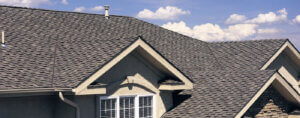
The age of your roof is one of the most significant indicators that it may be time for a replacement. Most experts agree that a typical roof will last between 20 and 30 years. If your roof is in this age range and you’ve noticed other issues, it might be time to invest in a new one.
Inspect your roof’s shingles closely. If you notice that the shingles are starting to curl or buckle, that’s a sign that they are past their life expectancy. Missing shingles are another symptom of a failing roof and can lead to leaks if not addressed.
Asphalt shingles tend to shed more granules toward the end of their life cycle. Check your gutters; if you find them loaded with shingle granules, it’s a sign that your roof could be near the end of its lifespan.
If your roof shingles are falling apart or missing in this area, it’s a definite sign you may need a new roof. Roof valleys are critical areas of your roof. Snow and rain flow through valleys into gutters. If the valley is compromised, you could be susceptible to roof leaks.
If you notice a spongy feel or trampoline bounce when walking on the roof, this means the underlying decking is weakened from moisture. Check your attic to see if there is any daylight coming through the roof boards. Also, look for moisture in the insulation.
This is another area to be concerned about. If your flashing consists of roof cement or tar, it may need to be replaced with a long-term, water-tight fitting, which would be a metal flashing system.
A sagging roof is typically an indication of a structural issue and could be due to problems with the decking in the attic or even the supports in the foundation. If you notice any sagging areas, it’s crucial to contact a professional as soon as possible.
Even with occasional maintenance, roofs can develop leaks. But if leaks become a common occurrence, it’s often more cost-effective to replace the entire roof rather than continuously repairing it.
Keeping an eye out for these signs will help you stay ahead of potentially significant damage. If you notice any of them, it’s best to get an expert opinion. A professional roofing contractor can assess the condition of your roof and recommend the best course of action—whether that’s a few minor repairs or a complete replacement.
Remember, your roof is an essential part of your home’s structure, so taking the time to maintain it will pay off in the long run.
If you have further questions about roof replacement needs, contact your local roofing contractor at Allegiant Exteriors to keep your best interests in mind.
We offer no-obligation free roof inspections for both residential and commercial properties.
Read our reviews to learn more about us.